
Common Vetch: How to Identify, Forage and eat.
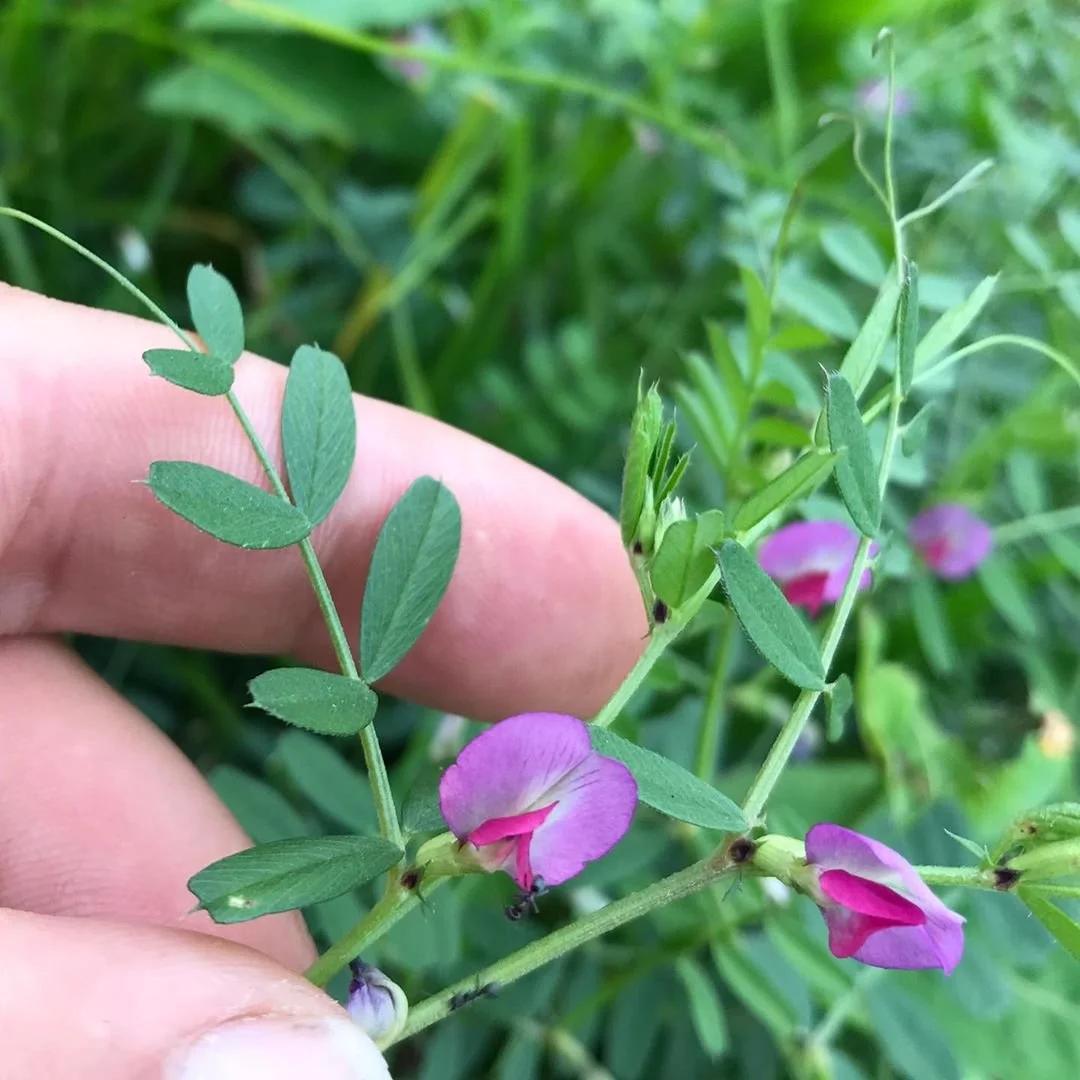
Common vetch (Vicia sativa) is a scrambling annual legume found across much of southern Australia. Also known as garden vetch, winter vetch or wild vetch, it was introduced from Eurasia and is now naturalised in several Australian states. It is also deliberately cultivated as a forage crop, grain legume and green manure. It is a close relative of the commonly cultivated broadbeans (Vicia faba)
Common vetch is edible and yummy but it deserves caution rather than enthusiasm. Its young foliage and flowers are edible, but the seeds contain several antinutritional and potentially toxic compounds. Consequently, wild common-vetch seeds should be eaten in small amounts or at the very least treated like other legumes: soaked overnight and thoroughly cooked.
How to identify common vetch
Common vetch belongs to the pea family, Fabaceae, and has the characteristic appearance of a small climbing pea plant.
It is usually an annual herb with slender, weak stems that may scramble through grasses and other vegetation or climb using tendrils. The stems can reach approximately 1 metre. Its leaves are compound, generally consisting of several pairs of small leaflets, with the leaf stalk ending in a tendril. Depending on the plant and subspecies, there may be four to ten or more pairs of leaflets.
The flowers are the easiest feature to recognise. They are the typical pea-shaped flowers and can be pink, crimson, violet or reddish-purple, although colour varies. Flowers commonly occur singly or in small groups from the leaf axils (where the leaf meet the stalk)
After flowering, the plant produces narrow, flattened pea-like pods, 2-4 centimetres long. Mature pods become yellow-brown to dark brown and contain several rounded or slightly compressed seeds. The pods of Vicia sativa are particularly useful for confirming identification because they are noticeably constricted between the individual seeds.
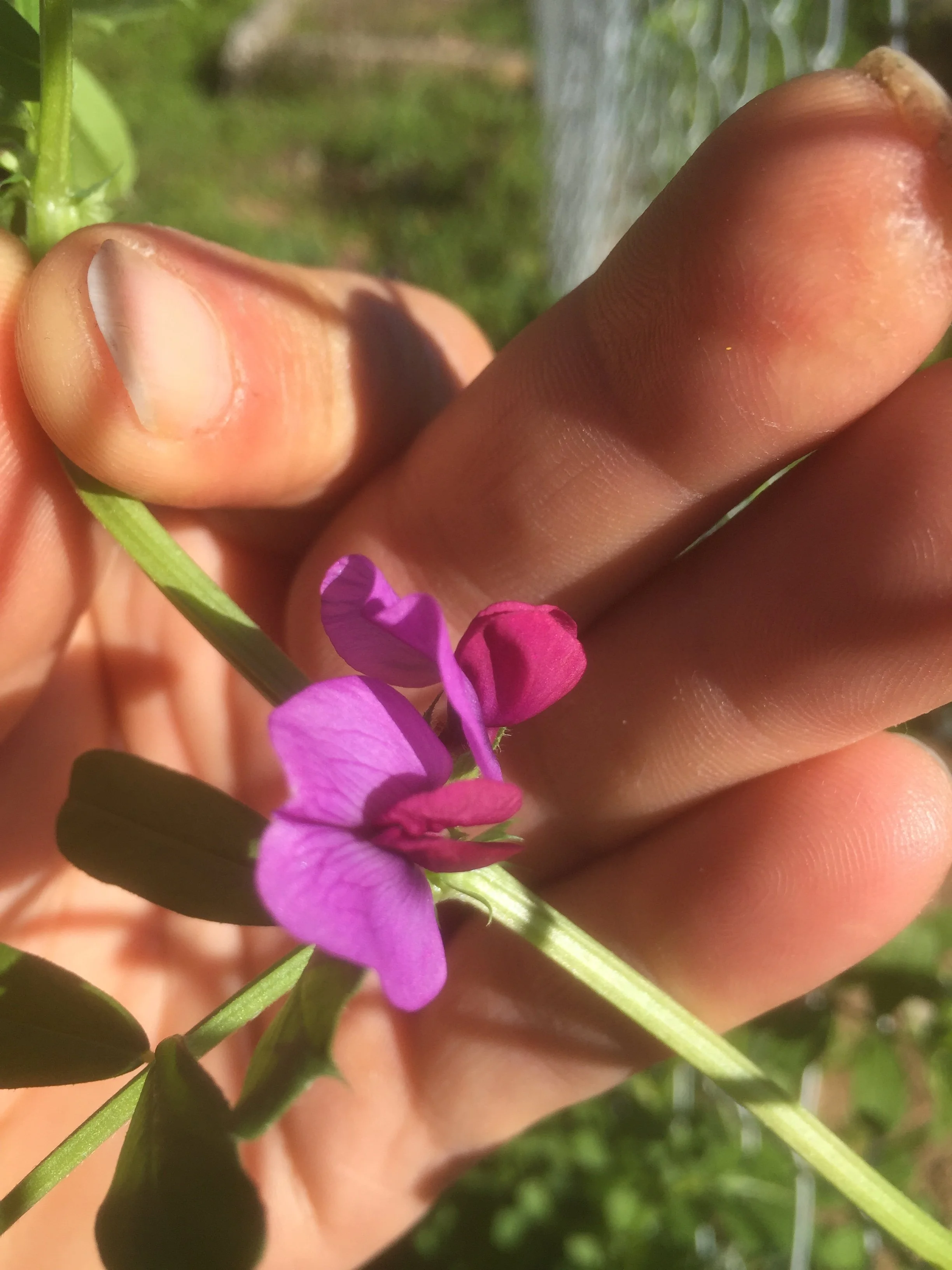
Flowers
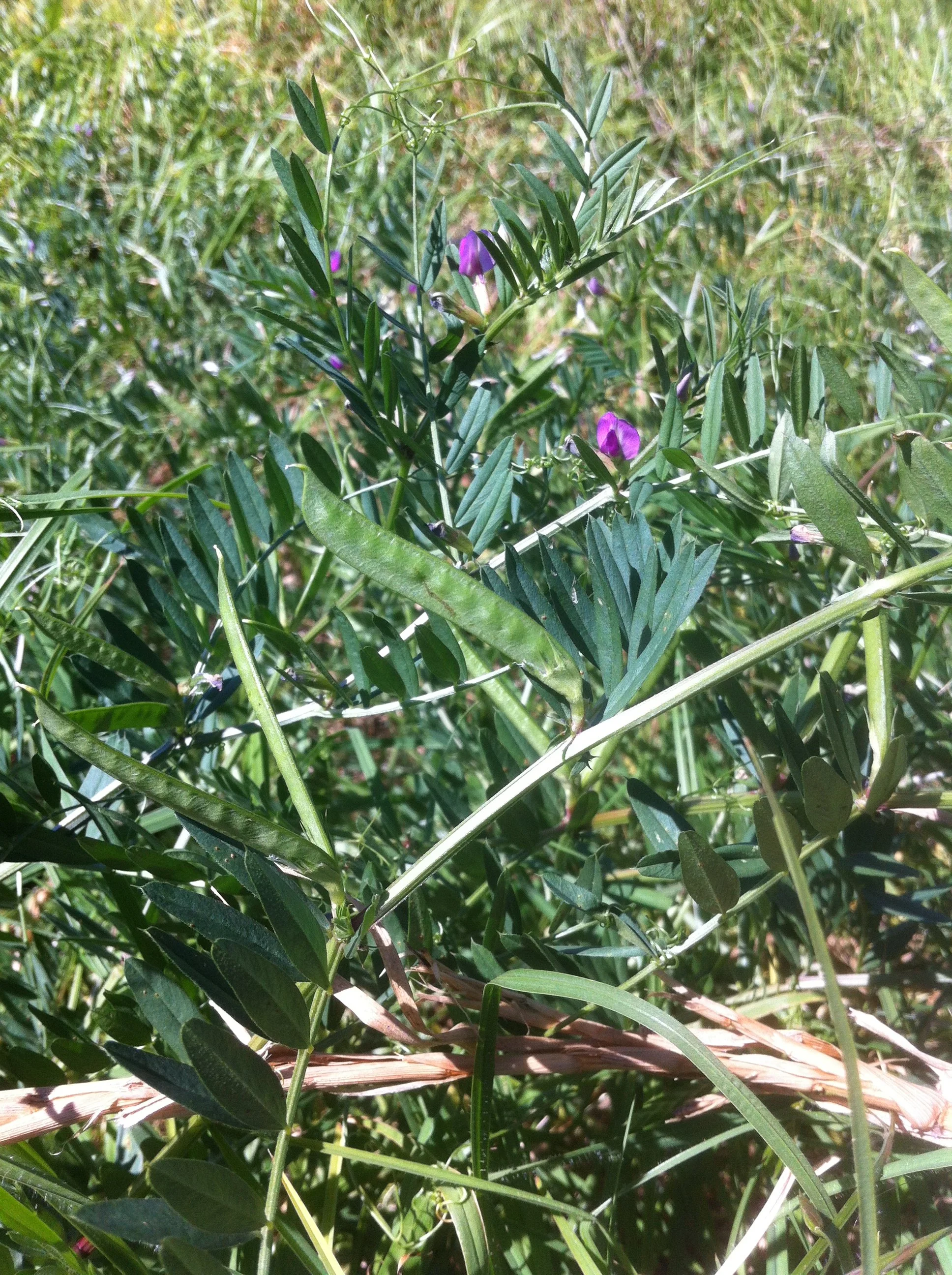
Growth habit
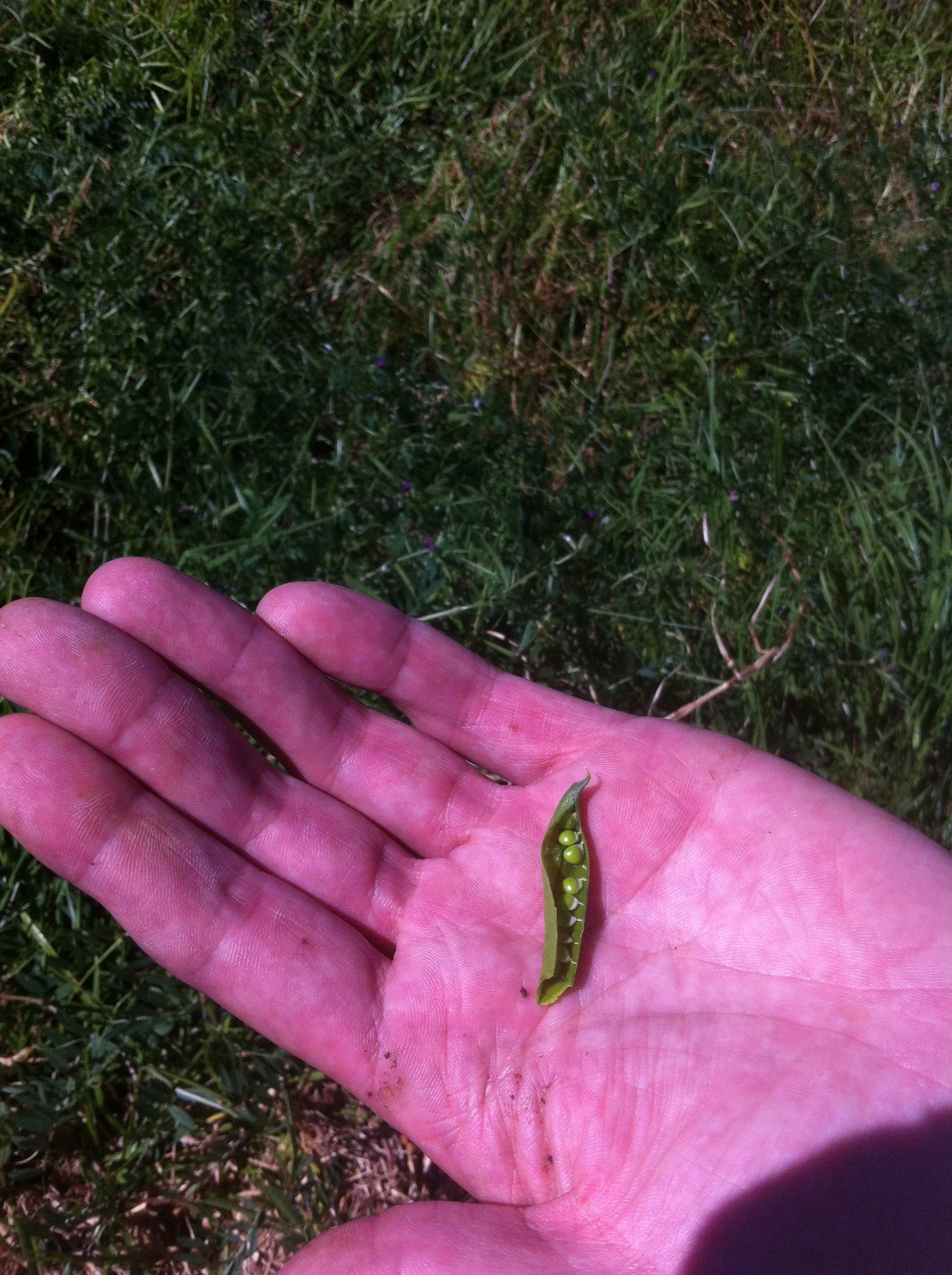
Seedpod
What vetch we have in Australia?
Several species of vetch are present in Australia. ALA list 55 between species and sub-species. Of those listed, 6 are the most common by far, a further 7 are uncommon, and the rest have never been recorded.
The 6 main species are:
Vicia L. with 22k records
Vicia sativa L. with 17.5k records
Vicia hirsuta (L.) Gray with 1.6k records
Vicia monantha Retz. with 1.5k records
Vicia villosa Roth with 1.1k records
Vicia tetrasperma (L.) Schreb. with 822 records
Where does it grow in Australia?
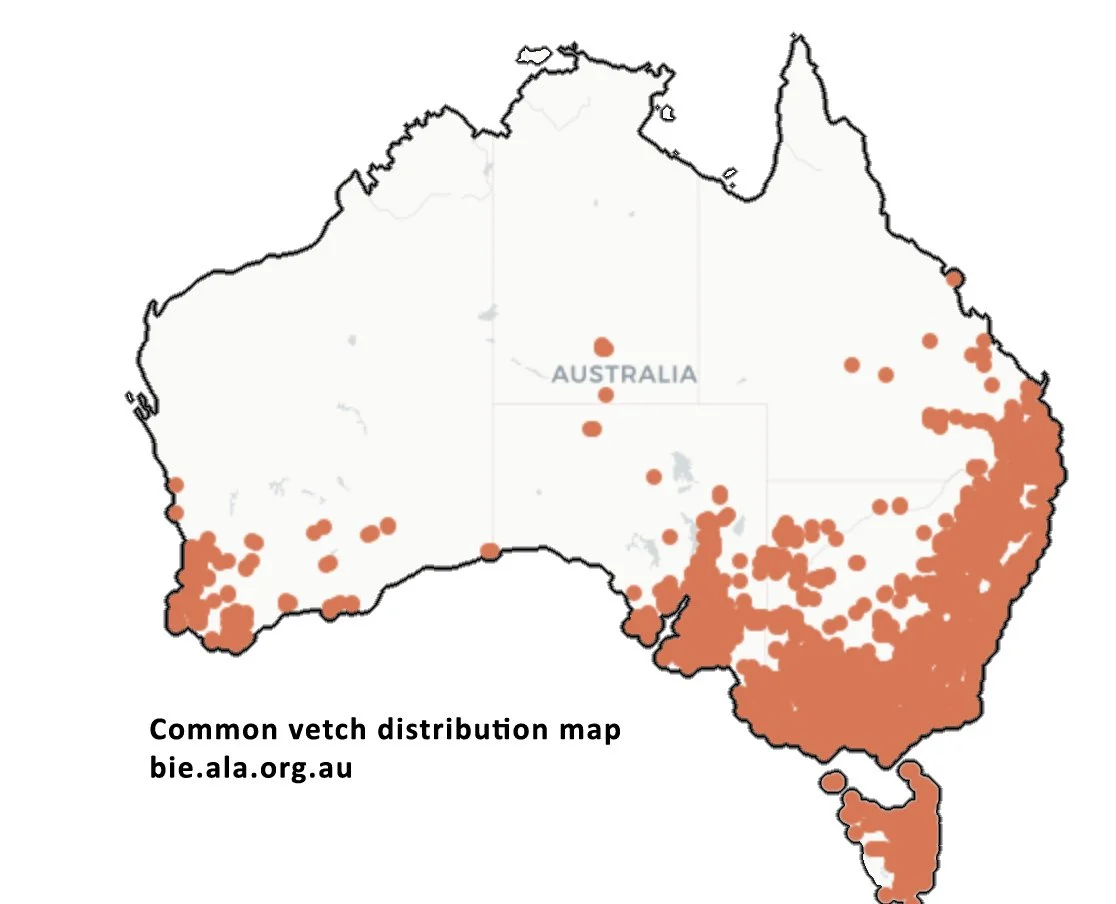
Common vetch is most widespread in southern Australia. It is naturalised in Victoria, New South Wales, South Australia, Western Australia, Tasmania and parts of Queensland. It commonly occurs in agricultural areas, pastures, roadsides, disturbed ground and other places where grasses and herbs grow.
Australian herbarium records show the species occurring widely, with the majority of records from New South Wales, Victoria and South Australia.
How to forage for it
The best approach is to harvest only young, tender shoots and leaves. Take a small amount from numerous plants rather than stripping one plant. Young shoots can be snipped with clean scissors, leaving plenty of growth behind. Avoid plants that are dusty, diseased, insect-damaged or growing in contaminated locations.
What about the seeds?
This is where caution is required. Common-vetch seeds contain compounds including β-cyanoalanine-related toxins, vicine and convicine. Research has demonstrated toxicity associated with common-vetch seed, particularly in animal studies. A review of common vetch as a potential food crop concluded that current cultivars can contain toxin levels that make them unsuitable for ordinary human consumption. The toxicity has only been shown under laboratory conditions, there are no recorded cases of poisoning by this plant.
The best approach for this common wild plant is to eat the young leaves, flowers and seedpods (they taste like sweet peas!) but only in small amounts. The seeds can be processed but is best to avoid.
A simple way to eat the young greens
A cautious way to experiment with young foliage is to cook it as a small quantity of green vegetable rather than eating it raw.
Lemon-Garlic Vetch Greens
Ingredients
2 packed cups young, common-vetch shoots and leaves
1 tablespoon olive oil
1 small garlic clove, finely chopped
1 teaspoon lemon juice
Salt and black pepper
Optional: toasted sesame seeds or grated parmesan
Method
Wash the vetch thoroughly under running water and remove tough stems. Bring a saucepan of water to the boil and blanch the young greens for 2–3 minutes. Drain well.
Heat the olive oil in a frying pan over medium heat. Add the garlic and cook briefly, then add the blanched greens. Sauté for another 2–3 minutes until tender. Season with a little salt and pepper and finish with lemon juice.
Serve as a small side dish alongside grains, roasted vegetables or a main meal.
The ancient food crop
Common vetch has a long history of human and agricultural consumption dating back to the early Neolithic period, though it is now primarily used for livestock forage and green manure.
Ancient and Early Cultivation
Neolithic origins: Carbonized remains of common vetch appear at early farming sites in the Near East and southeastern Europe, including modern-day Syria, Turkey, Bulgaria, Hungary, and Slovakia.
Bronze age spread: Archaeological evidence shows use spreading into Predynastic Egypt and Bronze Age Turkmenia.
Famine food: Historically, humans consumed vetch seeds mixed into flour to bake bread during periods of severe food scarcity, despite its bitter taste and lower palatability compared to peas or lentils.
Medieval to Modern Era
Roman to medieval periods: Cultivation became more firmly established during Roman times. By the Middle Ages, it served as a minor crop in Europe.
Global expansion: During the 16th century, Spanish writers noted it was eaten like lentils. European explorers and immigrants later introduced Vicia sativa to the Americas and other regions, where it adapted well as a forage and cover crop.
The 19th-century shift: The rise of intensive animal production caused a major shift toward growing vetch as fodder and green forage rather than for human consumption.
Toxicity and Modern Status
Anti-nutritional factors: Vetch seeds contain toxins (such as γ-glutamyl-β-cyanoalanine or GBCA) and compounds that can cause health issues or lower glutathione levels, making raw seeds unsuitable and potentially dangerous for humans and monogastric animals.
Modern role: Today, Vicia sativa is rarely found in human food markets, though it remains an important high-protein forage, silage crop, and nitrogen-fixing green manure in sustainable agriculture.
The bottom line
Common vetch is an attractive and easily overlooked member of Australia's naturalised flora. Its scrambling habit, tendrils, paired leaflets, colourful pea flowers and distinctive seed pods make it relatively recognisable once you know what to look for.
However, identification is only the first step in safe foraging. Young foliage may be cooked and used experimentally in small quantities, but mature seeds should be avoided as a wild food because Vicia sativa contains potentially toxic compounds. When foraging in Australia, accurate identification, clean harvesting sites and conservative use are far more important than simply finding an edible plant.
When in doubt, leave the plant where it is and have it positively identified before eating.
Further research
PubMed on vetch and its potential toxicity
Wikipedia on the pea family
Atlas of Living Australia on vetch distribution
Wikipedia on vetch
Science Direct on vetch in agriculture
Useful Temperate Plants on vetch
Plants for a Future on vetch
Wild Food UK on vetch
Galloway Wild Foods on vetch
Rachel Lambert on vetch
