
How to Forage and Eat Society Garlic
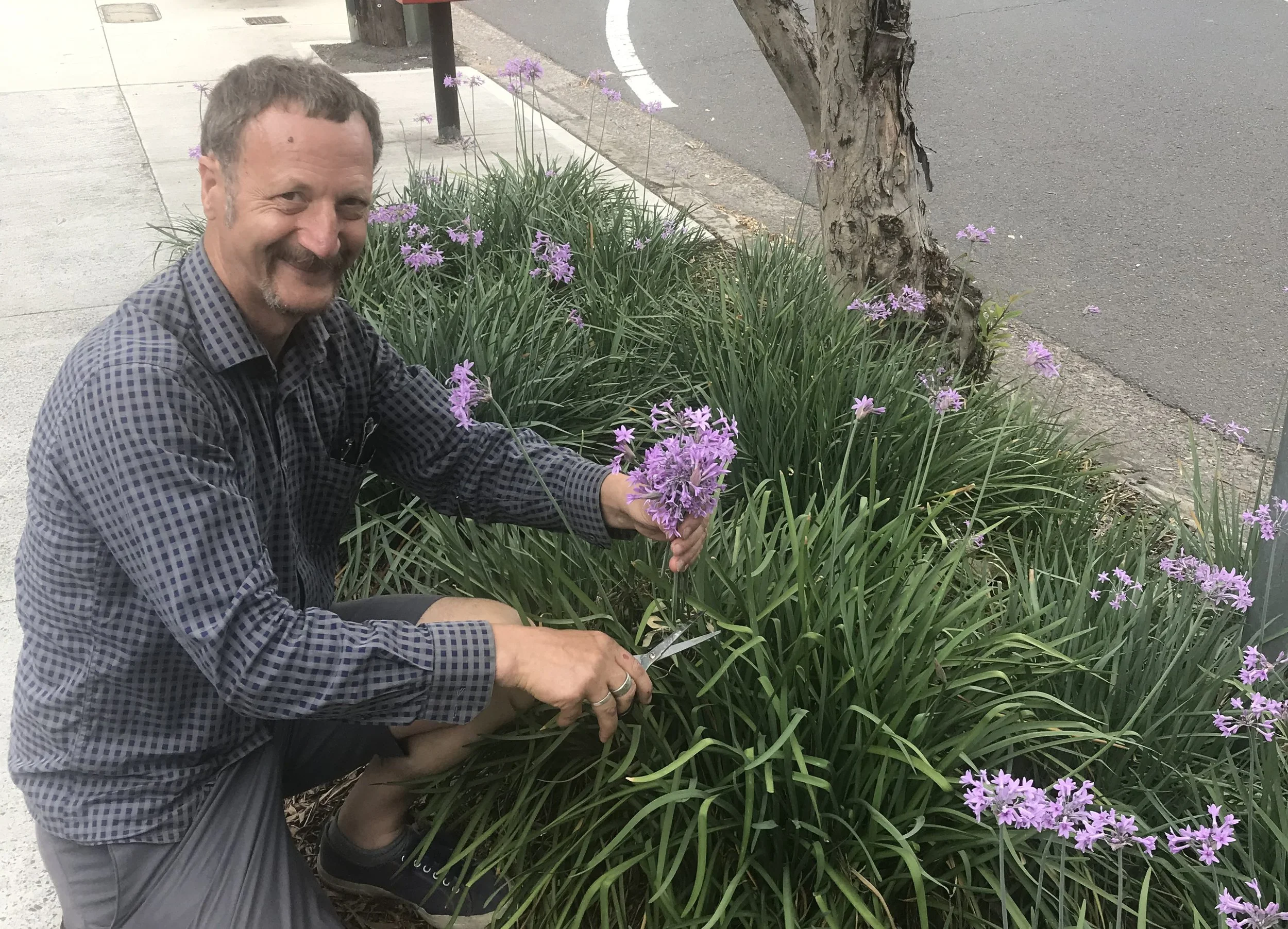
Yummy garlic-y treats, Society garlic is in flower now
How to Forage and Eat Society Garlic in Australia
If you’ve wandered through suburban gardens, nature strips, or council plantings in Australia, chances are you’ve passed society garlic without even noticing. With its slender, grey-green leaves and delicate clusters of lilac flowers, Tulbaghia violacea—commonly known as society garlic—is both an attractive ornamental and a surprisingly useful edible plant. For foragers, it’s a mild, accessible way to experiment with wild flavours while staying close to home.
Before gathering any edible plant, always make sure you have a positive identification, harvest responsibly, and avoid areas exposed to chemicals, busy roadsides, or contamination. When in doubt, don’t eat it.
What Is Society Garlic?
Society garlic is a hardy perennial herb originally from South Africa, but now widely planted across Australia. You’ll find it in community gardens, council landscapes, home gardens, and even thriving in the wild where it has naturalised. It looks somewhat like a smaller, more delicate version of regular garlic chives, growing in clumps with flower stalks that rise above the foliage.
Despite its name, society garlic is not a true garlic. However, crush a leaf between your fingers and you’ll immediately notice a familiar garlicky aroma—one that’s distinct but milder than traditional garlic or wild garlic species.
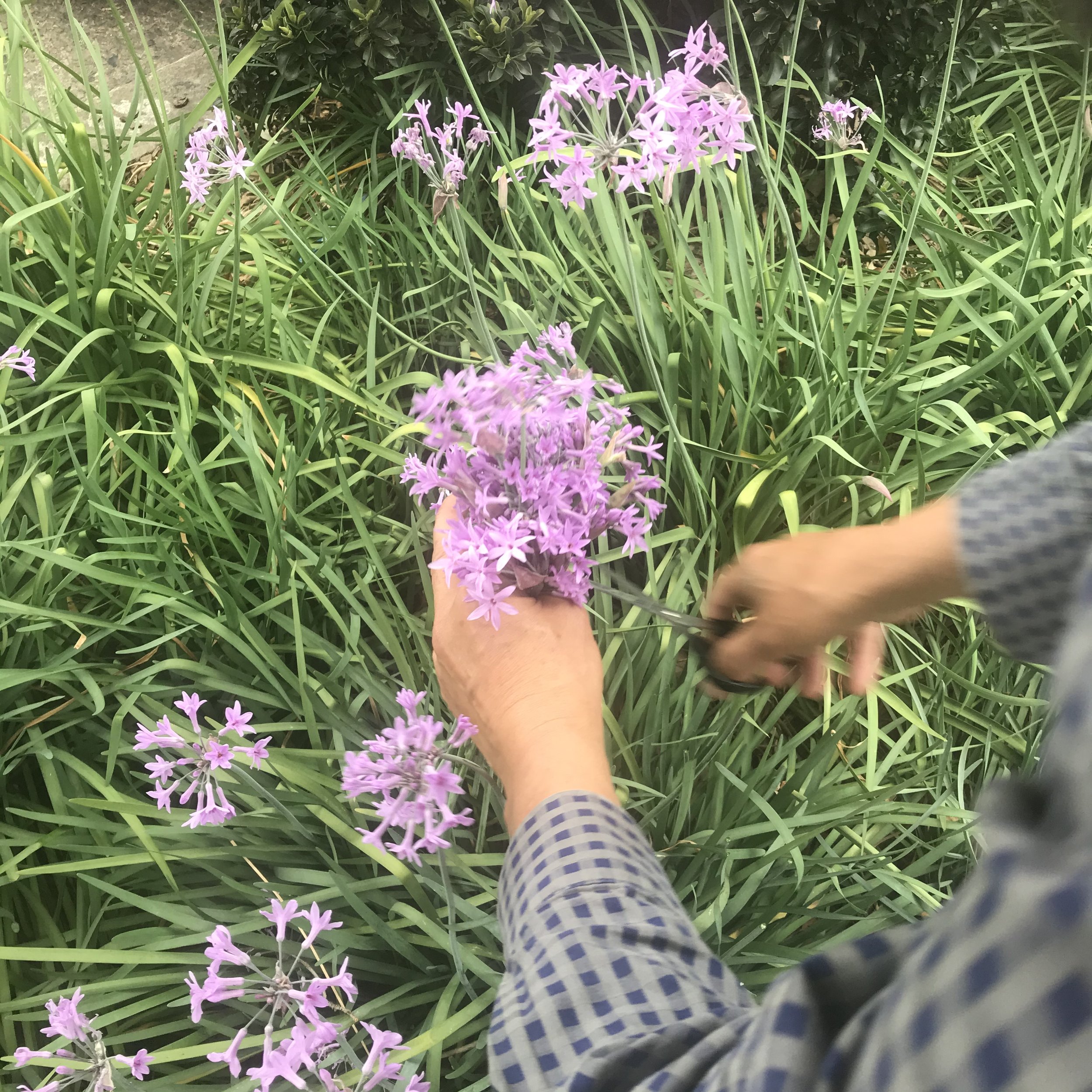
How to Identify Society Garlic
Look for these features:
Leaves: Long, thin, smooth, grey-green leaves growing upright from the base. When broken or crushed, they give off a gentle garlic scent. There are also variegated varieties available, with white/green stripy leaves.
Flowers: Tight clusters of star-shaped lavender or pale lilac flowers, each with six pointed petals. These sit on top of a leafless stalk.
Growth habit: Dense clumps that spread gradually. Leaves grow from rhizomes rather than bulbs like true garlic.
Smell: A mild garlic or onion scent—never overpowering.
If the plant doesn’t smell garlicky when gently crushed, it’s not society garlic.
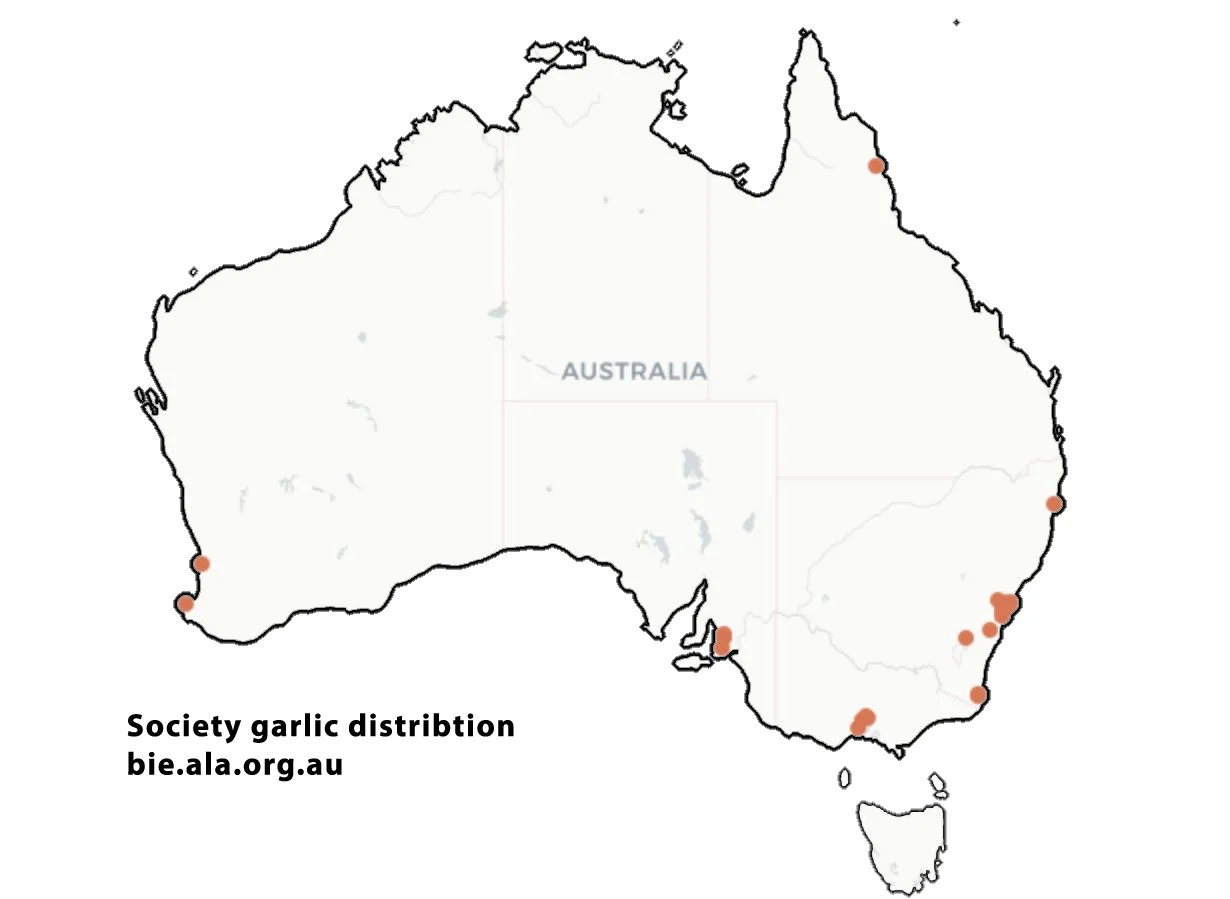
Society garlic distribution in Australia - bie.ala.org.au
Where to Forage in Australia
You’ll often spot society garlic in:
Council landscaping (parks, roundabouts, footpath plantings)
Public gardens and community garden perimeters
Old homestead sites
Edges of suburban walking trails
Always avoid harvesting from public plantings unless it’s permitted. The safest (and most ethical) places to forage are areas where the plant is clearly naturalised or growing wild, or where you have permission.
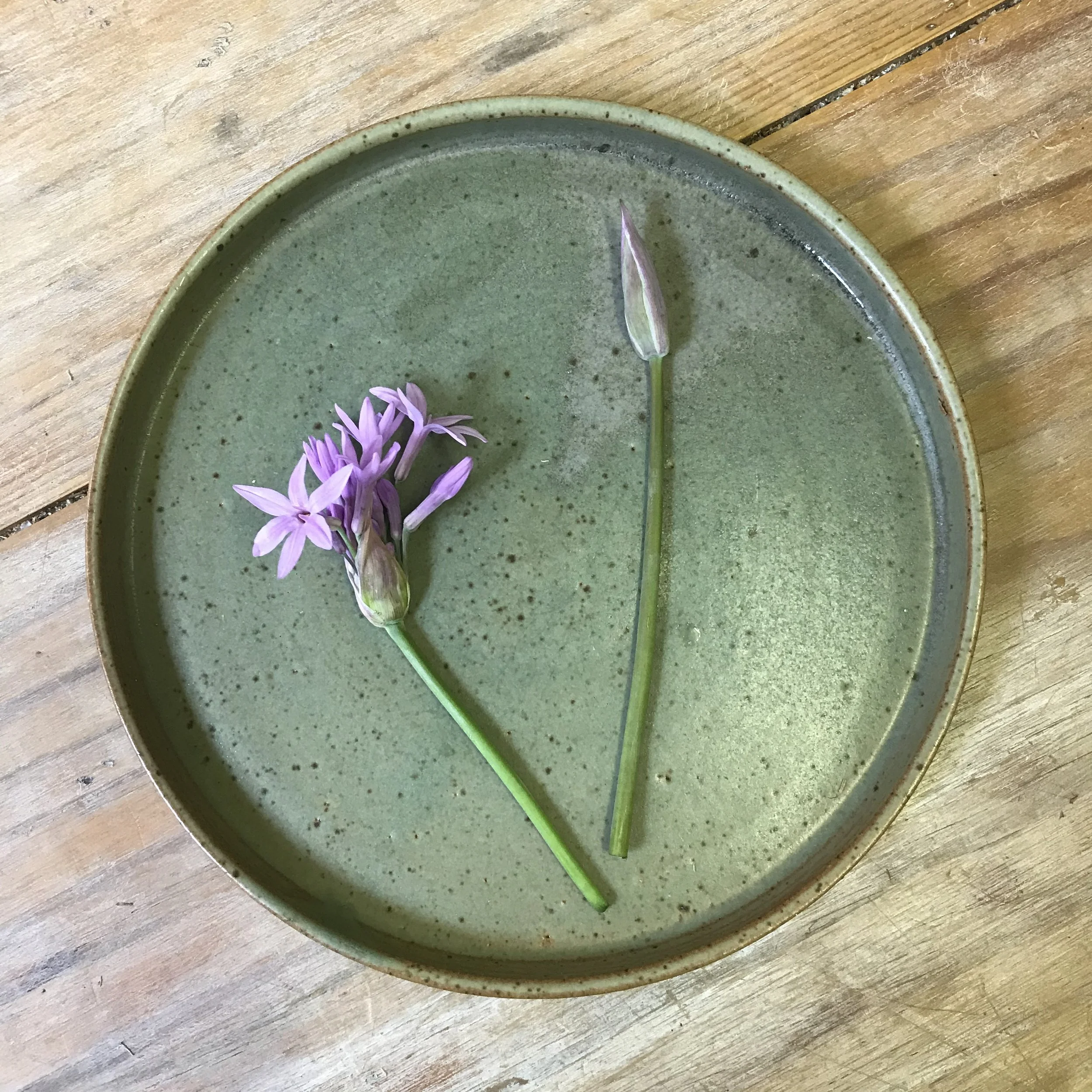
Which Parts Are Edible?
Pretty much the whole plant has culinary uses:
Leaves: The most commonly eaten part. They can be used raw or cooked, offering a gentle garlic flavour without a lingering garlic breath.
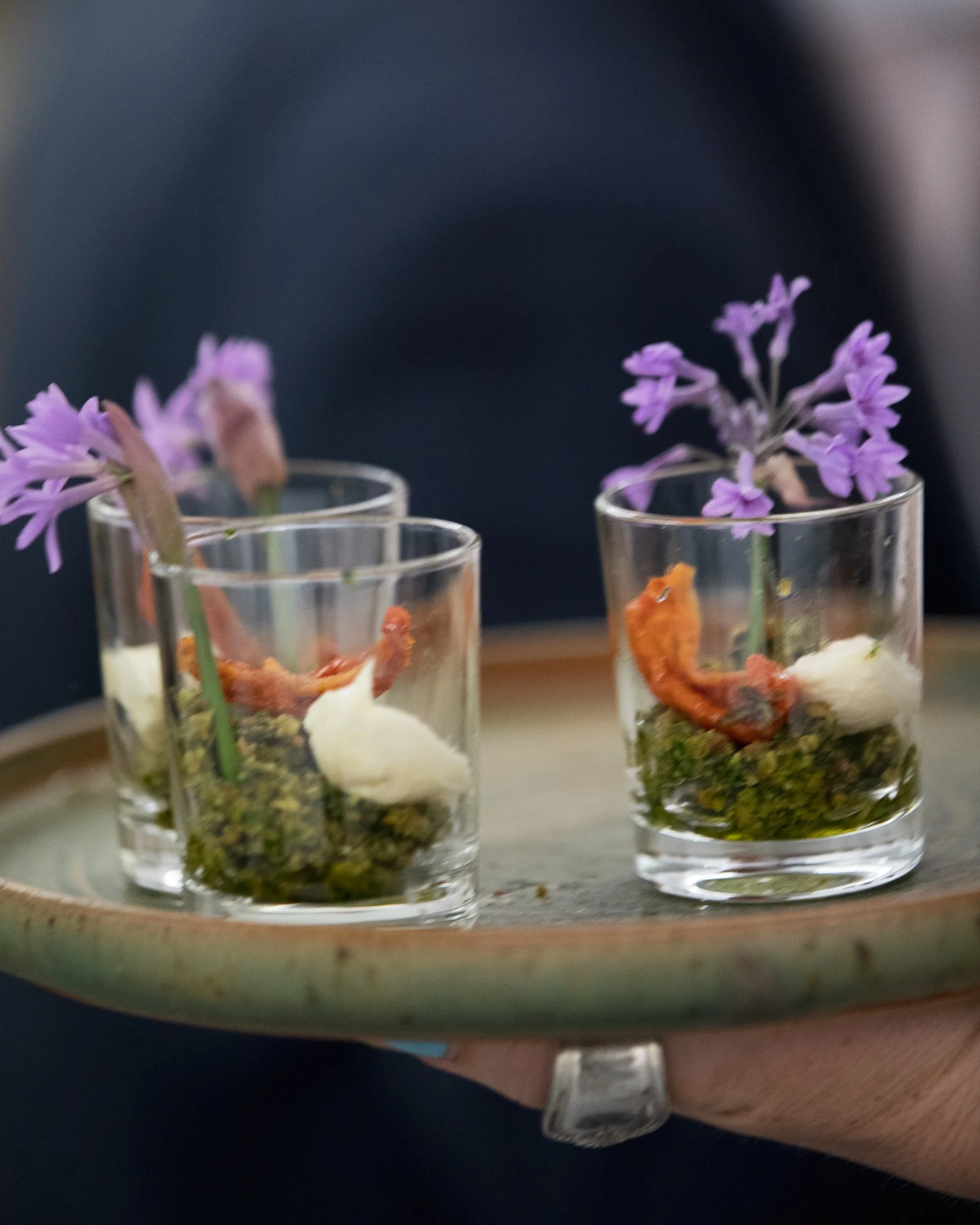
Flowers: Beautiful, edible, and subtly garlicky. Perfect for garnishing salads or savoury dishes.
Stems: Tender young stems can be sautéed or added to stir-fries.
Roots: Technically edible, but less commonly used and not particularly flavourful. Most foragers leave them to help the plant regrow.
How to Eat Society Garlic
Add finely chopped leaves to salads, omelettes, soups, or marinades.
Use the flowers as a garnish for a splash of colour and mild garlic flavour.
Toss leaves into stir-fries for a quick aromatic lift.
Blend leaves with butter for a simple society garlic compound butter.
Use whole flower heads for visually striking culinary plating.
It does not give a garlic breath!
The flavour is mild, so don’t expect the punch of supermarket garlic—think of it more like garlic chives with a floral twist.
Final Tips
Forage sparingly so the plant continues to thrive. A small handful of leaves or a few flower heads is plenty. Wash all parts thoroughly before eating, and if you’re new to the plant, try a small amount first to ensure it suits your digestion.
Society garlic is one of Australia’s easiest and most rewarding beginner foraging plants: simple to identify, abundant, delicious, and gentle in flavour. With a little care and respect, it’s a delightful addition to your culinary adventures.
Three Weed Salsa Verde
This is a much loved and often made recipe at our house, Thank you Marnee for your excellent edible creativity!
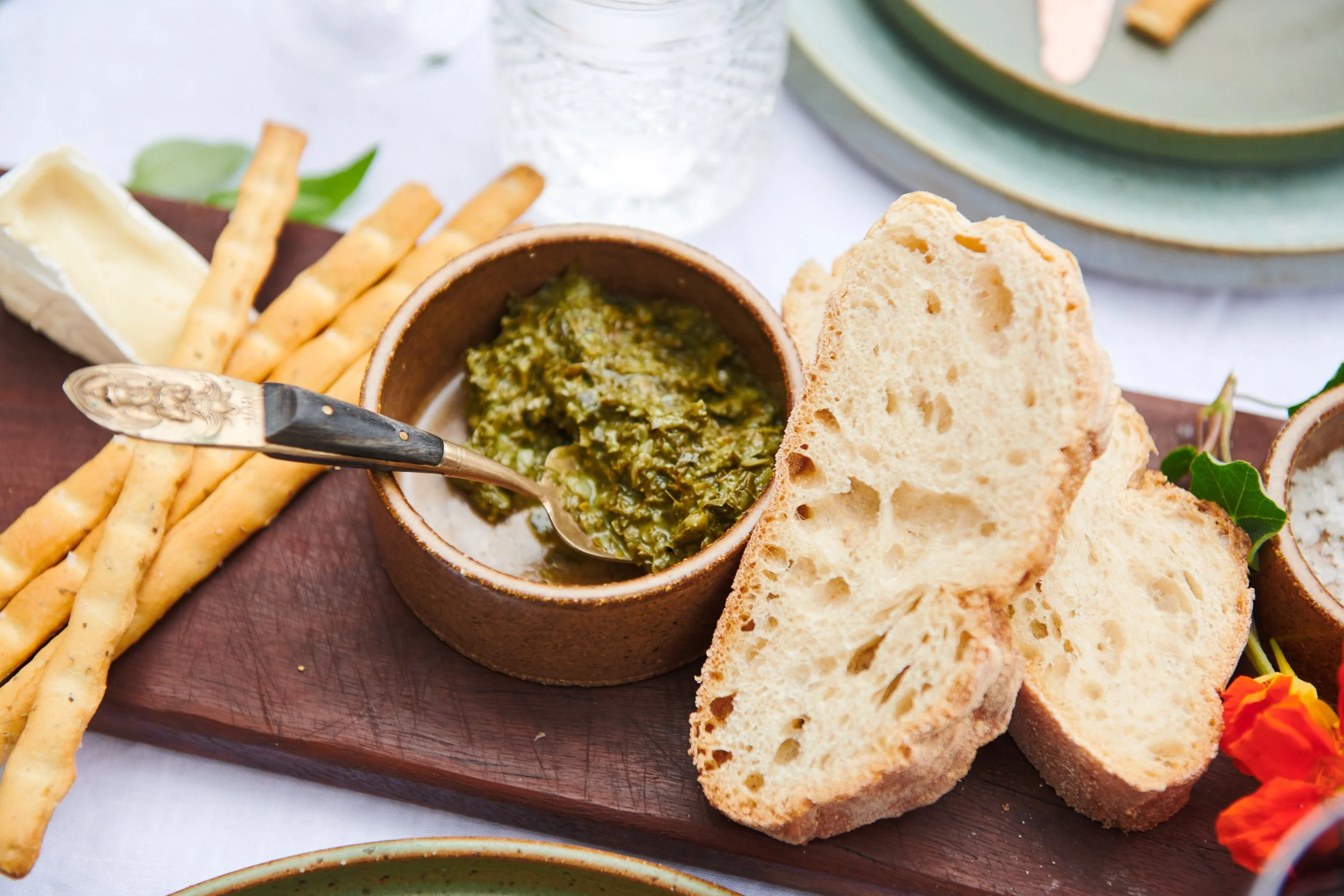
It plays homage to my mum, who was known fondly to us all as 'nonna'. While nonna's traditional version was made only with parsley (and sometimes dandelions), we think it lends beautifully to a wide range of whatever weeds' are in season.
Ingredients
4 cups of rambling dock chopped. The young juicy green leaves are best.
1 cup of chopped society garlic, stalks + flowers
1 cup of chopped chickweed
1 cup of parsley chopped (curly or flat) about 1 bunch
1 cup croutons – leave out for GF
3 tbsp. capers drained
½ cup extra virgin olive oil
Juice of 1 lemon
Dash of red wine vinegar
½ tsp diijon mustard
Sea salt to taste
Method
To make your croutons, grab some old bread and slice thinly. Brush with olive oil + cook in a medium oven for about 5 minutes, then remove from the oven and turn. Bake for another 5 minutes until all the slices are cooked evenly and golden brown. Let cool a little
Wash your greens well, drain of excess water and be sure to chop finely any stalks you want to use so you don’t get long stringy bits in your salsa verde.
Add weeds, parsley, garlic if using and capers and process so ingredients are chopped and well mixed.
With the motor running, add oil, vinegar, mustard and lemon juice to the mixture. Process until well combined. Feel free to add more oil if you want to use the salsa verde as a sauce or marinade rather than a spread or dip.
Break up the croutons into small pieces and add to your food processor. Mix until everything is well combined.
Season with sea salt and pepper. Let stand for 10 minutes before serving.
Reference and further reading
Wikipedia - Tulbaghia violacea
Forest Clump - Society garlic
The Spruce - Society garlic plant profile
Eat the Weeds - Society garlic
Our Permaculture Life - Society garlic
Atlas of Living Australia - Distribution
